Scaling Your Business with Selvadge Raw Denim Fabric Wholesale
The Complete Guide to Selvedge Denim Material
A single pair of vintage Levi’s 501s from the 1940s recently sold for $87,400 at auction. What caused these jeans to outprice a luxury vehicle? It all comes down to their selvedge denim fabrication.
This top-tier denim signifies far more than mere cloth. It connects us to a time when James Dean wore his 501s in Rebel Without a Cause and Marlon Brando defined cool in The Wild One. Those style icons didn’t merely don jeans. They sported Nep denim made on historic shuttle looms.
Artisanal denim gets its name from the self-finished edges that prevent fraying. “Selvedge” merges “self” with “edge” to denote this distinct weaving technique. Differing from factory-made denim, each yard of selvedge denim material requires patience and expertise to craft.
The texture tells a story through subtle irregularities and natural variations. Every pair acquires character as its indigo wears down. This unique aging grants heritage denim its special appeal among collectors and fashion devotees alike.
A lot of folks reckon premium denim outlasts standard jeans. The fact is somewhat more complex. Selvedge build yields exquisite cloth with neat borders and deep texture. However, sturdiness relies on cotton caliber and heft, not merely on weaving style. What distinguishes craft denim is its capacity to age elegantly and form distinct faded patterns as time passes.
Defining Selvedge Denim Material
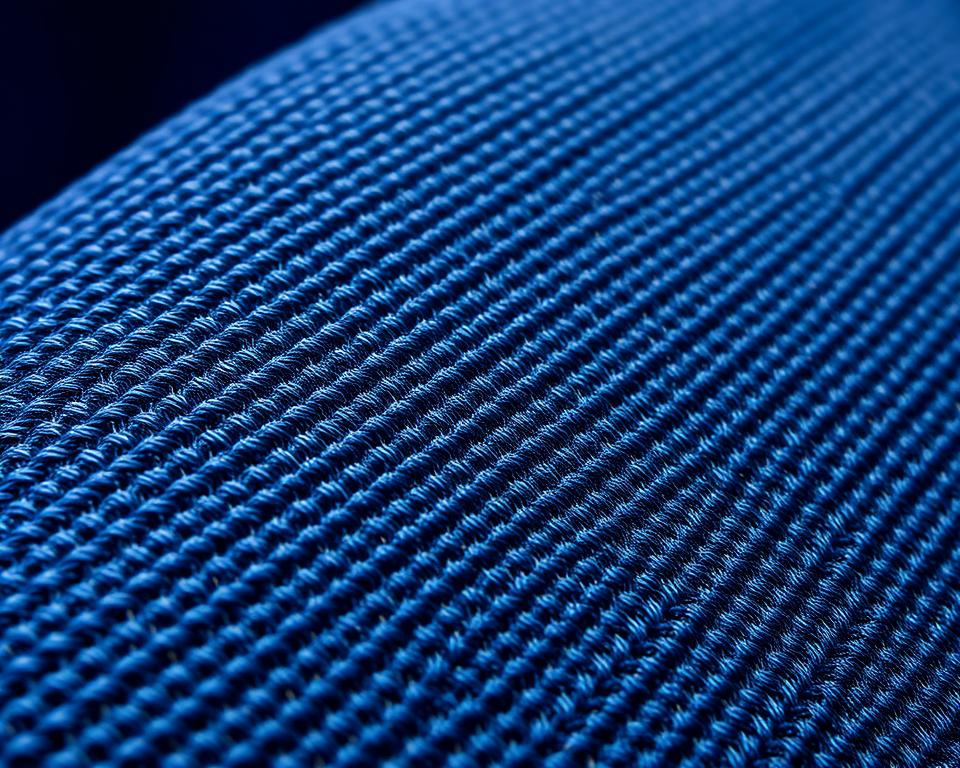
Selvedge denim fabric is distinct from regular denim due to its unique construction and finished edges. It’s titled after its “self-edge,” a closely woven strip that blocks fraying. This high-grade material signifies allegiance to slow fashion and age-old craft, marking a contrast with mass-made denim.
Decoding Self-Edge Construction
The word “selvedge” fuses “self” with “edge,” indicating material with a tidy, sealed edge. This narrow selvage appears on both sides of the fabric, doing away with extra finishing. Old-school mills craft it at roughly 30–32 inches wide, unlike contemporary denim’s 60-inch span.
Shuttle Looms and Their Unique Fabric Borders
Shuttle-loomed denim’s character comes from vintage weaving machines that weave at slower speeds. They shuttle one weft yarn across the warp threads in one continuous action. This method results in:
- Natural irregular slubs
- A gentler hand-feel compared to contemporary denim
- Tightly bound edges that won’t fray
- Authentic irregularities cherished by denim enthusiasts
How Selvedge Differs from Standard Denim
Conventional denim is woven on projectile looms sending weft yarns across wider bolts. Such weaving leaves loose edge fibers requiring overlock stitching to stop fraying. Selvedge denim fabric, on the other hand, takes more time to produce. It delivers enhanced durability and a distinct look, warranting its premium price.
The Heritage and History of Shuttle-Loomed Denim
The legacy of heritage denim commenced in U.S. textile mills of the 1800s. Shuttle looms were key, weaving fabric with tightly woven edges to prevent fraying. That approach yielded indigo-dyed denim slowly and painstakingly, guaranteeing each yard was made with precision. The fabric’s limited width turned into a signature of craft denim making.
From 1800s American Mills to Modern Revival
For upwards of a century, American factories leaned on shuttle looms. Labels like Cone Mills and White Oak delivered high-end denim to workwear firms. By the 1970s, quick projectile looms dominated, displacing most shuttle machines. That change stemmed from the push for more affordable, mass-made jeans. Many historic mills closed or modernized, leaving vintage looms to gather dust.
Japanese Renaissance of Selvedge Denim
In the 1980s, Japanese producers brought American shuttle looms back into use. The Osaka Five labels headed this resurgence:
- Studio D’Artisan
- Evisu
- Fullcount
- Warehouse
- Denime
They combined American heritage style and Japanese meticulousness. They examined vintage Levi’s patterns and reimagined time-honored indigo-dyed denim feels. By 2000, Japanese makers had overtaken the global artisan denim market.
The Importance of Traditional Weaving Today
Shuttle looms create special fabric features unmatched by modern equipment. Their reduced-speed weaving enables uneven textures and richer indigo absorption. Hardcore denim fans treasure these quirks as proof of real craftsmanship.
| Shuttle Loom Features | Modern Loom Features |
|---|---|
| 29-31 inch fabric width | 60+ inch fabric width |
| 3-4 yards per hour | 15-20 yards per hour |
| Natural irregularities | Uniform texture |
| Self-finished edges | Cut edges requiring overlocking |
Making Premium Denim on Antique Looms
The creation of premium denim starts with the rhythmic motion of vintage shuttle looms. These contraptions stand apart from modern machines. They pass yarn across the entire width in one thread, sealing edges without extra finishing. This technique assures a crisp, fray-resistant edge on selvedge denim.
Old shuttle looms turn out a mere 5 to 6 meters of slub denim each day. This sharply contrasts with current machines that manage 200 meters. The unhurried pace advantages the yarn via:
- Less tension on fibers creates a softer hand feel
- Organic irregularities stay put, granting unique texture
- Varied surfaces produce signature fading
- Narrow fabric width (typically 29-32 inches) reduces cutting waste
Operating these antique machines requires skilled craftsmen. Operators fine-tune tension, track cadence, and carry out maintenance. Each loom has its own unique character. Several originate from the 1920s and rely on skills handed down over decades. This tactile method turns shuttle-loomed denim into an authentic artisan good.
The slender width of unwashed denim from classic looms provides practical perks. Denim craftsmen can employ the finished edge as the outseam, cutting waste. This showcases the fabric’s authentic construction. Each bolt tells its own tale, boasting faint differences factory lines can’t duplicate.
Raw Denim vs. Selvedge: Key Distinctions
Numerous denim lovers conflate raw denim with selvedge denim. This confusion arises when shopping for premium jeans. The fact is they denote separate facets of denim creation. Recognizing the distinction empowers you to choose wisely and admire each type’s special qualities.
Why Not All Selvedge Is Raw
Selvedge refers to the weaving method on vintage shuttle looms, creating self-finished edges. Raw denim means unwashed fabric straight from the mill. A selvedge raw denim supplier may stock washed and unwashed varieties. Brands like Naked & Famous produce selvedge jeans, sometimes pre-washed or with stretch.
The weaving technique remains the same. But finishing alters the material’s hand-feel and aesthetic completely.
Washed and Unwashed Denim Compared
All denim starts as dry denim prior to wash. Mills produce both standard and selvedge versions unwashed. Key contrasts include:
- Raw denim develops unique fading patterns based on wear
- Pre-washed denim offers instant comfort and stable sizing
- Sanforized raw shrinks minimally post-first wash
- Unsanforized denim shrinks notably upon soaking
Clearing Up Denim Myths
Not every raw denim is shuttle-loom produced. Contemporary projectile looms likewise churn out unwashed textile. The appeal often overlaps because buyers value durability, personalization, and craftsmanship in both selvedge and raw denim. Both varieties entice denim devotees prepared to spend time for ideal custom fading.
Spotting Genuine Selvedge Denim Traits
If you’re shopping for selvadge raw denim fabric wholesaler, spotting real selvedge denim is essential. It sets you apart from ordinary buyers. Real selvedge denim has unique traits that set it apart from regular denim. Understanding these features ensures you’re investing in authentic premium denim.
Finding the Selvedge ID
Easiest method to confirm selvedge denim? Inspect the outseam. Roll your cuffs and examine the seam on the leg’s outer side. Genuine selvedge denim has a clean, finished edge with colored yarns woven into the fabric. This self-finished edge eliminates the need for overlocking stitches found on regular denim.
Rolling your cuffs unveils the selvedge ID, giving your outfit a signature detail. The tinted edge threads flow uninterrupted along the outseam, crafting that iconic denim aesthetic fans love. Regular jeans feature raw edges secured with serger stitches to avoid fraying.
Recognizing Quality Construction Details
Top-tier premium denim reveals itself by key build features:
- Dense, uniform weaving free of stray threads
- Pristine selvedge ends with no added stitching
- Stable colored yarn running the full outseam
- Heavy fabric weight characteristic of shuttle looms
What Makes Rainbow Selvedge and Redline Special
Rainbow selvedge denim features multiple colored yarns in the selvedge ID, creating a unique multicolor edge. Redline selvedge, the most famous variety, uses red yarns for the ID and traces back to vintage American mills. These special selvedge styles command higher prices due to their rarity and visual appeal. Many labels emphasize these traits in their descriptions, simplifying the hunt for real heritage denim.
Why Artisanal Denim Commands Premium Prices
The cost of artisanal denim often shocks newcomers. A set of selvedge jeans may run three to five times higher than standard jeans.
Comprehending what drives these costs shows the actual value of premium denim.
Shuttle looms weave at a much slower pace than modern machines. While industrial looms produce fabric quickly, vintage shuttle looms weave only 1-2 meters per hour. This deliberate procedure turns a roll of heritage denim into a multi-day project.
The slim selvedge widths increase expenses. Unlike standard denim, which comes in 60-inch widths, premium denim from shuttle looms is just 28-32 inches wide. This narrower width requires more careful cutting and planning to use the fabric efficiently.
Artisanal denim production is small-batch. Suppliers like Okayama’s White Oak and Kuroki emphasize quality rather than scale. They staff master artisans who manage each stage:
- Hand-checking yarn tension
- Adjusting loom settings for each fabric type
- Inspecting every meter for flaws
- Managing rope-dyeing processes that take weeks
These denim makers view their craft as art. They play with distinct yarns and hone indigo-dye recipes handed down through the lineage. Buying heritage denim sustains mills upholding textile customs and craftspeople passionate about their trade.
Where to Buy Black Selvedge Denim Fabric Wholesale
The premium denim market has grown beyond Japan’s traditional mills. American brands now compete, providing a wide range of black selvedge denim fabric wholesale. To find the best supplier, it’s essential to understand quality markers and the origins of authentic materials.
How to Choose Top Suppliers and Mills
Premium suppliers highlight classic weaving and heartfelt commitment to artistry. Hunting for a selvedge raw denim wholesaler? Seek out mills still running shuttle looms. They provide comprehensive fabric details: weight, weave style, and dye processes.
Gold Selvedge Denim Fabric Manufacturers to Know
Gold selvedge mills emphasize luxe-colored edge yarns, enhancing denim prestige. Premier producers weave these specialty textiles in constrained runs, luring boutique makers. Their gold-edge thread grants a distinctive finish, setting them apart from common fabrics.
How to Procure Nep Denim and Unique Weaves
Unique textiles such as nep denim require dedicated sourcing paths. This textured fabric features intentional irregularities for unique visual interest. Partnering directly with mills guarantees availability of these niche weaves.
| Fabric Type | Minimum Order | Lead Time | Price Range per Yard |
|---|---|---|---|
| Black Selvedge | 500 yards | 6-8 weeks | $12-18 |
| Gold ID Selvedge | 300 yards | 8-10 weeks | $15-22 |
| Nep Denim | 400 yards | 10-12 weeks | $14-20 |
Selvedge Styles and Variants
Selvedge denim circles stretch beyond simple indigo. Currently, manufacturers produce varied textures and designs. These showcase the versatility of shuttle loom weaving. Ranging from faint surface quirks to striking patterns, they deliver one-of-a-kind personality that evolves elegantly with use.
Exploring Slub Denim Texture
Slub denim’s distinctive bumpy texture comes from irregular yarns. They include thick and slim sections, producing an inherently varied cloth surface. When shuttle looms weave these yarns, they produce a textured selvedge denim fabric that fades in unpredictable ways.
Each pair of jeans made from slub denim develops its own unique pattern. The raised slubs fade differently than the flat parts, ensuring no two pairs look alike.
Herringbone Selvedge Denim Fabric Characteristics
Herringbone selvedge denim fabric has a distinctive zigzag pattern, resembling fish bones. This weave creates diagonal lines that shift direction at regular intervals. This motif boosts aesthetics and reinforces the cloth’s durability.
Brands like Iron Heart and The Strike Gold routinely utilize this weave in their top-tier offerings.
Striped Denim Fabric and Unique Weaves
Striped denim blends different yarns to craft vertical or horizontal banding. Workrooms produce these stripes by alternating colored yarns in the weave. Notable variants include:
- Hickory stripe with alternating indigo and white
- Railroad stripe featuring thin pinstripes
- Wabash stripe with printed dots over stripes
| Fabric Type | Visual Pattern | Fade Characteristics |
|---|---|---|
| Slub Denim | Bumpy, irregular surface | High contrast, uneven fading |
| Herringbone | Zigzag diagonal lines | Subtle vertical streaking |
| Striped Denim | Alternating color bands | Pattern remains visible after fading |
Caring for Your Heritage Denim Investment
Your heritage denim calls for tailored care to grow its special character. Raw and dry denim, unlike typical jeans, change shape with wear. They form custom fade stories unique to you.
Your first few wears in artisan denim might feel firm and odd. That’s perfectly normal. It takes time for the cloth to soften and contour your form. Some wearers hasten the softening by donning them in the shower or squatting when damp. Others prefer a slower, more natural break-in period.
Raw denim develops its best fades when you wait to wash it. Skin oils and regular friction form whiskers by the knees and honeycombs at the rear. Numerous denim heads wait half a year before the initial wash, with some waiting a full year. This patience rewards you with high-contrast fades unique to your movement patterns.
When washing dry denim, flip it and rinse in cold water. Forego spin and drip-dry in shade. Others opt for gentle hand-wash in a bathtub using a soft detergent. Steer clear of hot water and tumble drying, which may shrink and dull fades.
Your denim keeps appreciating as you care for it properly. Each use builds character, turning your jeans into a singular piece. The stiff beginning morphs into a snug second skin echoing your habits.
Where to Buy Quality Indigo-Dyed Denim Today
The resurgence of selvedge denim has opened up new avenues for denim enthusiasts. Big-box retailers stock indigo-denim next to boutiques specializing in premium and slow fashion. This means shoppers can secure genuine selvedge at multiple price tiers to suit any budget or preference.
Levi’s retails the 501 Original Fit Selvedge at $148, spreading heritage craftsmanship further. Uniqlo offers its Selvedge Straight at $50, striking a balance between style and price. For upscale choices, Buck Mason presents Japanese Loom State Selvedge Full-Saddle Jeans at $248. Iron Heart pushes premium denim further with its 634s-18 Vintage Denim Jeans at $385 via Self Edge.
American names like Todd Snyder and Buck Mason have entered competition with Japanese maestros in the selvedge scene. These brands recognize the importance of heritage weaving techniques and quality in slow fashion. Whether you shop digitally or in-store, quality indigo denim is now more reachable for U.S. buyers who value true craftsmanship.